The central question
What is this film about?
Inception uses the architecture of dreams to dramatise a much simpler human problem: Cobb cannot let go of his wife.
Every level of the heist is also a level of grief. The deeper the team descends, the closer Cobb gets to the memory of Mal and the moment he planted the idea that destroyed her.
The film asks whether an idea, once planted, can ever be removed. Cobb incepts himself with the possibility that Mal is not real; by accepting it, he is able to return to his children.
The spinning top is not the point. The point is that Cobb walks away from it. He chooses reality, or a reality, because it contains the people he loves.
Editorial reading
Written by the FilmAbouts editors. It is one reading among many — the community decides how convincing it is.
Do you agree?
0% agree · 100% disagree
Visual language
Symbols & visual language
Recurring elements, where they appear, and what they might mean.
The spinning top
Represents
Reality testing, obsession, the inability to trust perception.
Where it appears
Used by Mal and Cobb as a totem.
The top matters less than Cobb's decision to ignore it.
The freight train
Represents
Unstoppable guilt, the subconscious interrupting the plan.
Where it appears
Smashes through the dream city during the first extraction.
Cobb's guilt cannot be outrun; it owns the tracks.
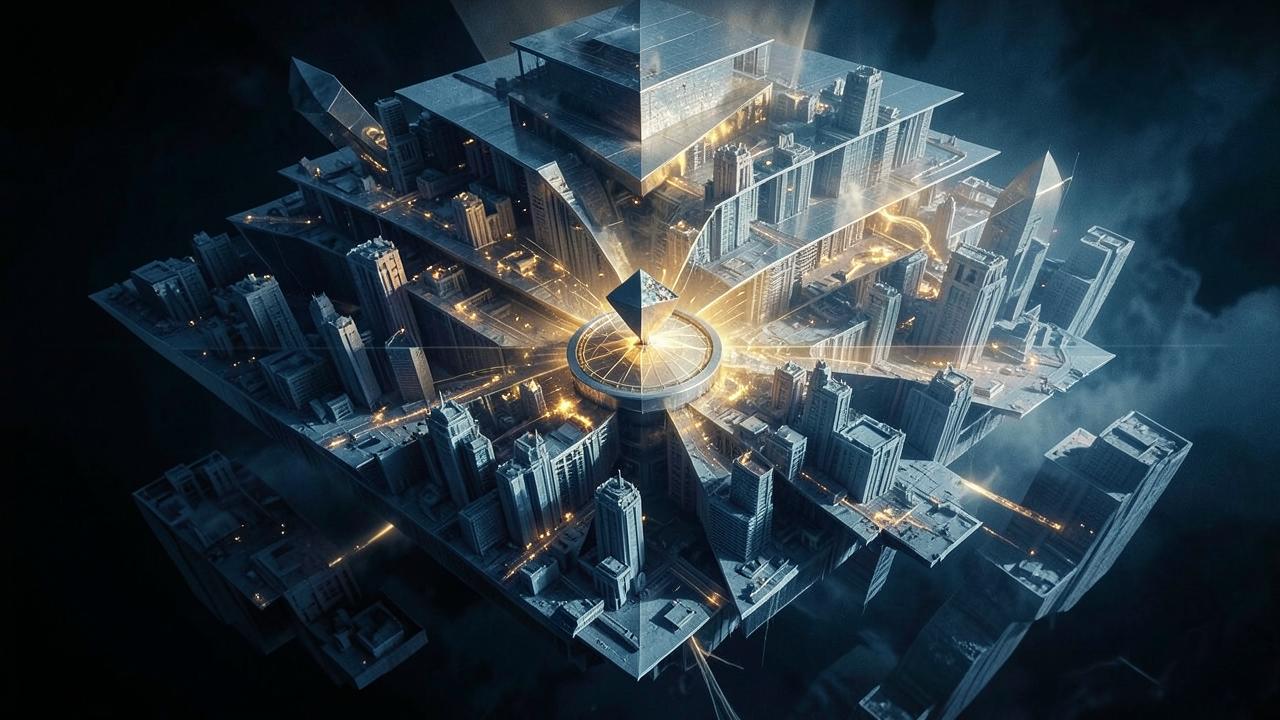
The collapsing city
Represents
A mind consuming itself.
Where it appears
Limbo as Cobb finds Mal.
Shared dreams decay when one person stops believing the boundary between real and imagined.
Cinematography
How the film looks
Steel blue · Charcoal · Amber · Concrete grey
Cold metropolitan greys give way to warmer tones in Mal's memories and the final reunion.
- Dominant colours
- Steel blue, charcoal, amber, concrete grey
- Lighting
- Cold daylight, warm practicals, dreamlike haze
- Camera
- Rotating rigs, zero-gravity choreography, stable close-ups
- Composition
- Symmetrical architecture and impossible geography
- Aspect ratio
- 2.39:1
- Production design
- Modernist hotels, alpine fortresses, crumbling limbo cities
- Recurring pattern
- Penrose stairs and recursive spaces
- Evolution
- Reality frays as the palette warms and the architecture collapses
Lineage
What inspired the film?
Films, books, real events and culture that feed into it.
Film
Paprika (2006)
Dream-sharing and layered subconscious imagery.
Film
The Matrix (1999)
Questioning the reliability of perceived reality.
Book
The Interpretation of Dreams — Sigmund Freud (1899)
Freud's foundational text on dream logic and hidden desire.
Culture
Penrose stairs and impossible architecture
Visual paradoxes used as dream-world geography.
Connections
If you liked this film...
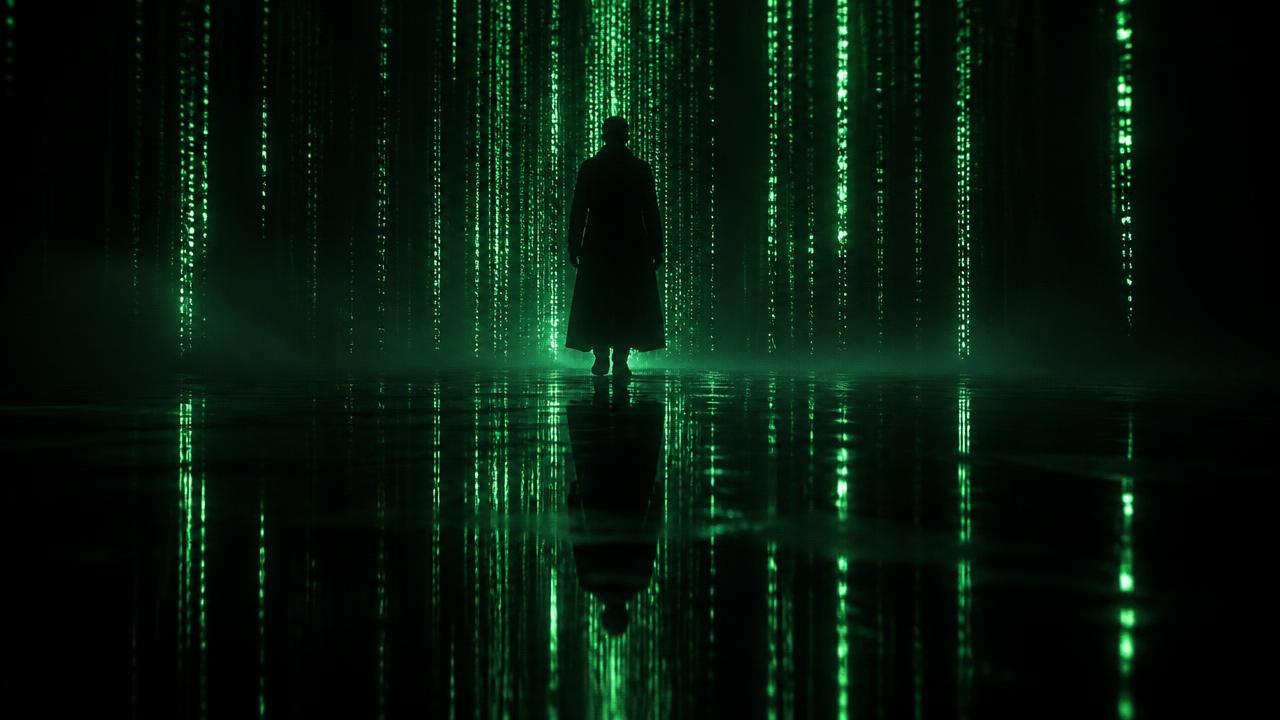
The Matrix
A constructed reality and the choice to leave it.

Interstellar
Love and memory folded into science-fiction architecture.
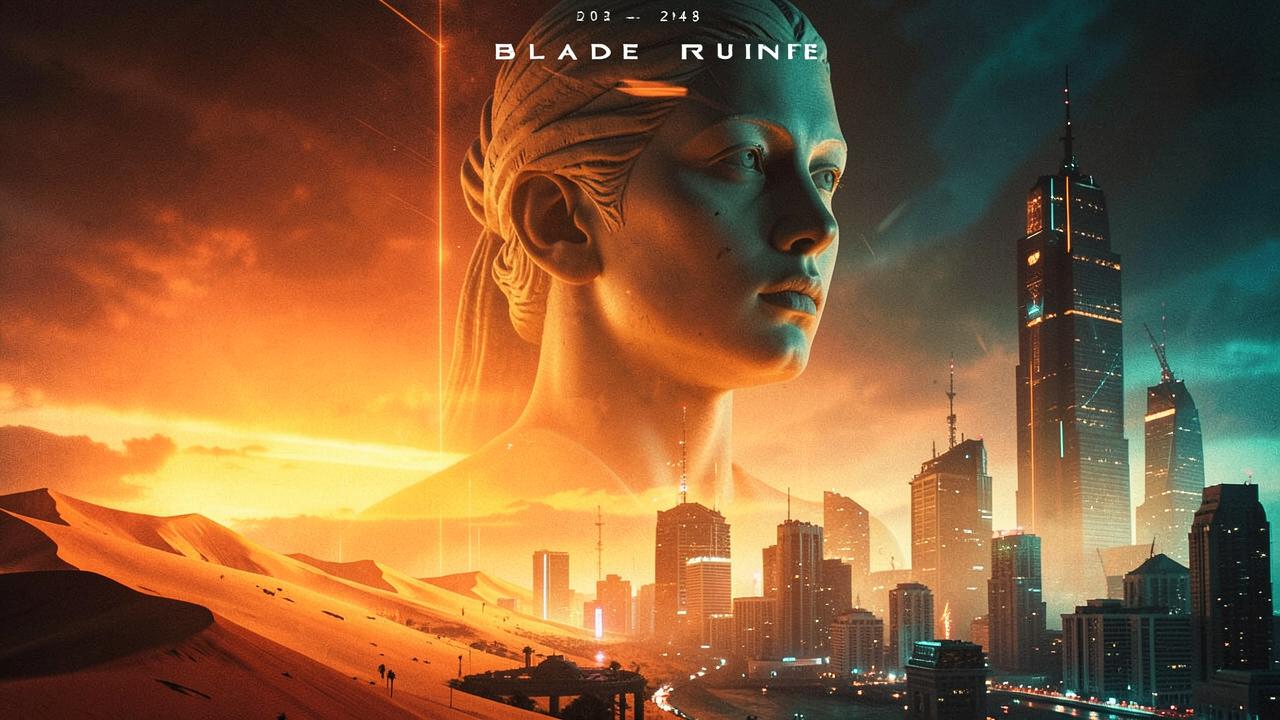
Blade Runner 2049
Questions of manufactured memory and authentic selfhood.
Films that influenced this film
- Paprika (2006)
- The Matrix (1999)
Films influenced by this film
- Tenet (2020)
- Source Code (2011)
- Edge of Tomorrow (2014)
Music
Soundtrack
Time
Hans Zimmer
Where it appears
End credits / emotional climax
A descending chord pattern that feels like falling through memory.
Non, Je Ne Regrette Rien
Édith Piaf
Where it appears
The kick signal across dream levels
Slowed down, the song becomes the film's ticking clock.
Spoilers ahead
The ending
Spoiler warning
This section reveals the ending and its possible meanings.
Easter eggs
Hidden details
Small discoveries most viewers miss on a first watch.
The Edith Piaf trick
The song is the original length of one dream level slowed to match the deeper levels' time dilation.
Cobb's wedding ring
Some viewers use the ring as a totem: he wears it in dreams but not in reality.
The debate
Competing interpretations
The goal is not a correct answer — it's finding out which reading people find most convincing.
FilmAbouts interpretation
0%
Community
What do you think the film is about?
Ranked automatically by community agreement.
Log in to add your own interpretation.